Lace vs Embroidery Better for Your Dress
Hello everyone 👋 On My lace
Welcome back to the blog!
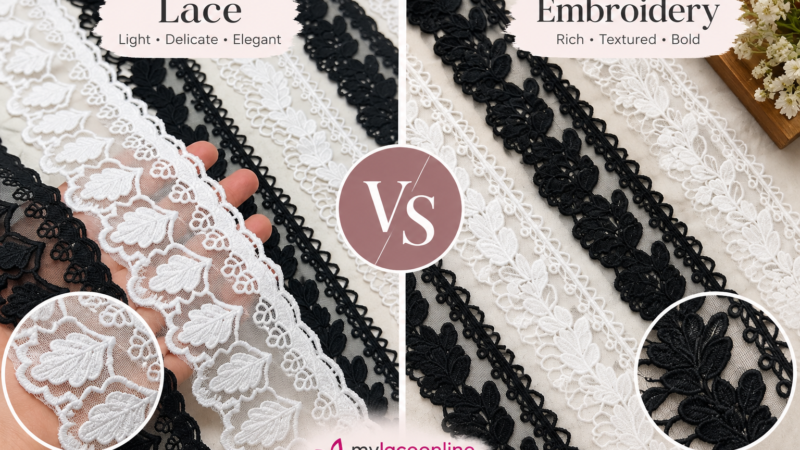
Lace or embroidery—which one can make your dress look more beautiful? ✨ It’s a question many people face when choosing the perfect detail for an outfit. Both can add elegance and personality, but they create a very different look.
Lace can give your dress a delicate, graceful, and effortlessly stylish finish, while embroidery often brings a richer and more detailed appearance. The better choice depends on your dress style, occasion, fabric, and the kind of look you want.
So, which one is actually better for your dress? Let’s compare lace vs embroidery and find out which option suits your style best. 💕
Have you ever looked at two dresses and wondered why one feels soft and romantic while the other looks rich and detailed? Sometimes the difference comes down to one simple choice: lace or embroidery.
Hello everyone, and welcome back to the blog! If you’re choosing fabric or decoration for a new dress, this is one decision that can be surprisingly difficult. Both lace and embroidery can make a simple outfit look beautiful, but they create very different effects.
I’ve always felt that the best dress details are the ones that look beautiful without making the outfit feel overloaded. That’s why today we’re putting lace and embroidery side by side and looking at their appearance, comfort, cost, styling possibilities, durability, and the types of dresses they work best with.
By the end, you should have a much clearer idea of which one is right for your dress—and when combining both might actually be the best choice.
What Is Lace?
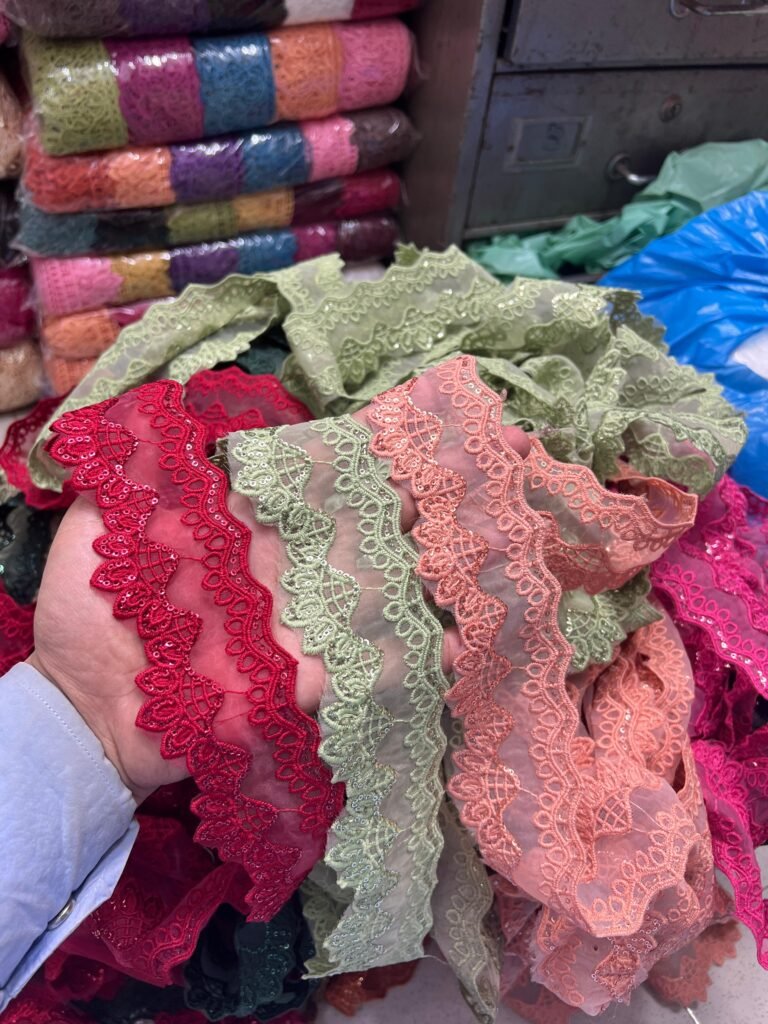
Lace is an open or decorative fabric made with patterns such as flowers, leaves, vines, geometric shapes, or other designs.
It can be delicate and lightweight or thick and structured, depending on the type.
Lace is often used for:
- Dresses
- Sleeves
- Necklines
- Dupattas
- Wedding gowns
- Skirts
- Borders
- Overlays
- Shawls
- Bridal veils
One of the biggest advantages of lace is that it already has its own pattern and texture, so it can transform a plain dress without requiring a lot of additional decoration.
What Is Embroidery?
Embroidery is a decorative technique where designs are stitched onto a fabric.
Instead of being a separate patterned fabric like lace, embroidery is usually added directly to the base material.
Embroidery can include:
- Floral motifs
- Leaves
- Geometric patterns
- Traditional designs
- Threadwork
- Beads
- Sequins
- Pearls
- Metallic threads
- Mirror work
Because embroidery can be customized in so many ways, it gives you a lot of freedom when designing a dress.
Lace vs Embroidery: The Main Difference
The simplest way to understand the difference is this:
Lace is usually the decorative fabric itself, while embroidery is decoration stitched onto another fabric.
For example, you might have a plain cotton, silk, chiffon, or net fabric and add embroidered flowers to it.
With lace, the decorative pattern is already part of the lace fabric.
Both can be beautiful, but they give the dress a different personality.
Which Looks More Elegant?
This really depends on the style you’re going for.
Lace often creates a:
- Soft look
- Romantic appearance
- Feminine feel
- Delicate finish
- Vintage-inspired style
Embroidery can create a:
- Rich appearance
- Luxurious finish
- Traditional look
- Detailed design
- More customized style
If you want your dress to feel light and graceful, lace may be the better choice.
If you want something more decorative and eye-catching, embroidery may be the better option.
When Lace Is the Better Choice
Lace is a wonderful option when you want decoration without making the dress look too heavy.
For Romantic Dresses
Floral lace can instantly give a dress a soft and romantic appearance.
It works especially well for:
- Evening dresses
- Bridal gowns
- Party dresses
- Feminine summer outfits
For Sleeves
Lace sleeves can add detail while keeping the rest of the dress simple.
You can use sheer lace for a delicate look or heavier lace for a more dramatic style.
For Borders
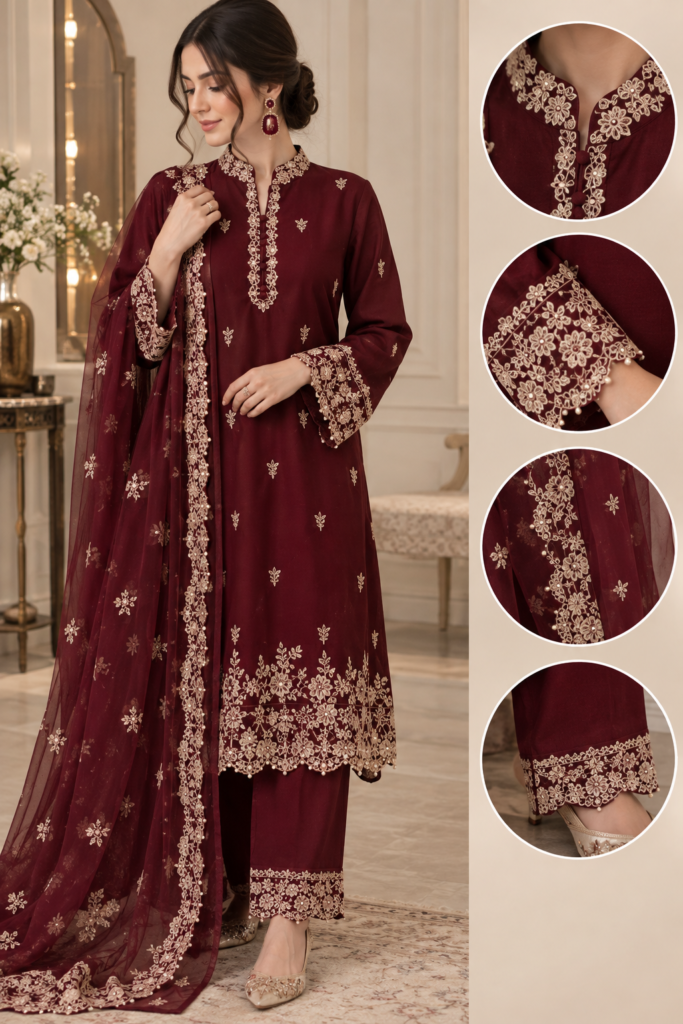
A lace border around a sleeve, neckline, hem, or dupatta can add a beautiful finishing touch.
You don’t always need a large amount of lace to make an outfit interesting.
For Simple Dresses
If your dress is made from plain fabric, lace can provide pattern and texture without requiring heavy embroidery.
When Embroidery Is the Better Choice
Embroidery is often the better choice when you want more control over the design.
For Traditional Dresses
Embroidery works beautifully with traditional clothing because you can create detailed motifs that match the overall style of the outfit.
For Festive Wear
If you’re dressing for a wedding, Eid, party, or another special occasion, embroidered details can give the outfit a richer appearance.
For Customized Designs
One of the biggest benefits of embroidery is customization.
You can decide:
- Where the design goes
- How large the motifs are
- Which colors are used
- How dense the stitching should be
- Whether beads or sequins are added
For Statement Pieces
If you want the decoration itself to become the main attraction, embroidery can be an excellent choice.
Which Is More Comfortable?
Comfort depends on the specific lace or embroidery.
Lightweight lace can be very comfortable, especially when used over a soft lining.
However, some lace can feel rough or scratchy, particularly around the neck or arms.
Embroidery can also be comfortable, but heavily embroidered fabrics with beads, sequins, or metallic threads may feel heavier.
For a dress you’ll wear for many hours, always think about:
- Fabric weight
- Texture
- Lining
- Sleeve area
- Neckline
- Embellishment
- Weather
A beautiful dress isn’t much fun if you spend the entire event adjusting it because something is uncomfortable.
Which Is Better for Summer Dresses?
For hot weather, lightweight lace can be a good choice because some lace fabrics allow more airflow.
However, the final comfort depends on the lining.
A heavily lined lace dress may still feel warm.
Light embroidery on breathable cotton or lawn can also work beautifully for summer clothing.
For hot climates, focus on the base fabric first, then decide whether lace or embroidery will be added.
Which Is Better for Winter Dresses?
For winter clothing, embroidery can work especially well on heavier fabrics such as velvet, wool blends, or thicker silk.
Lace can still be used, particularly as an overlay or decorative detail.
A beautiful winter dress might even combine lace with embroidery to create texture without relying on one decoration alone.
Which One Is More Versatile?
This depends on how you like to style your clothes.
Lace
Lace can be used as:
- Full fabric
- Sleeves
- Borders
- Inserts
- Overlays
- Appliqué
- Neckline details
Embroidery
Embroidery can be added to almost any suitable fabric.
You can place it on:
- Sleeves
- Bodice
- Pockets
- Dupattas
- Skirts
- Cuffs
- Necklines
- Borders
Because embroidery can be placed exactly where you want it, it often gives you greater design flexibility.
Lace vs Embroidery for Wedding Dresses
For wedding dresses, both can be excellent.
Lace is often chosen for romantic gowns because it creates a soft and timeless appearance.
Embroidery can create a more elaborate and luxurious dress.
But you don’t necessarily have to choose one.
A wedding gown could have:
- Lace sleeves
- Embroidered bodice
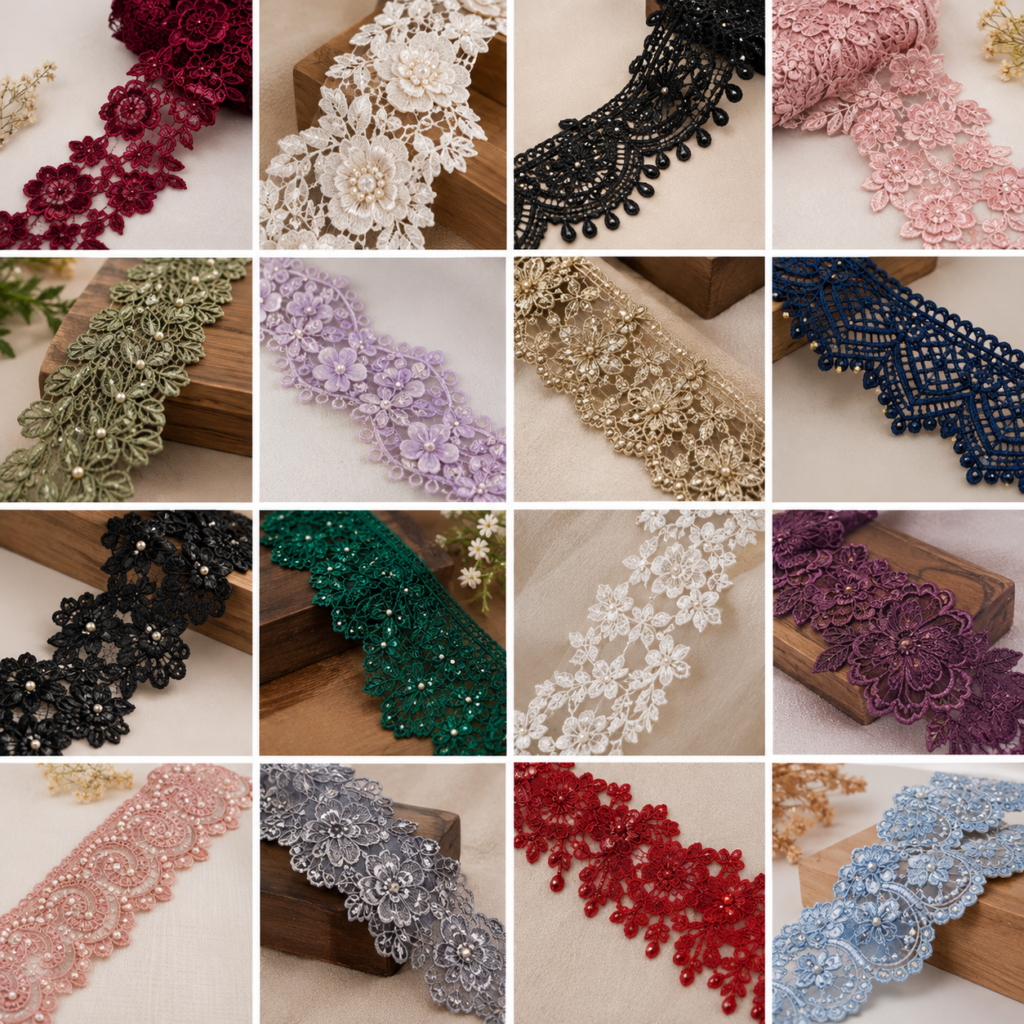
- Lace appliqué
- Embroidered flowers
- Beaded lace
- A lace train
The key is balance.
Too many different decorative elements can make the dress feel crowded.
Lace vs Embroidery for Party Dresses
For a party dress, think about how much attention you want the dress to attract.
If you prefer something elegant and understated, delicate lace may be ideal.
If you want something that catches the light and stands out, embroidery with beads or sequins may be a better option.
A simple embroidered neckline can sometimes look more sophisticated than covering the entire dress with decoration.
Which Is Easier to Match With Other Accessories?
Lace can be relatively easy to coordinate because its pattern often provides a soft decorative element.
Embroidery can be more noticeable, particularly if it uses multiple colors or metallic details.
When choosing accessories, look at the overall balance.
If your dress already has heavy embroidery, you may want simpler jewelry.
If your dress has delicate lace, you may have more freedom with accessories.
Which Is More Expensive?
There isn’t one simple answer.
The price of lace and embroidery can vary enormously depending on:
- Quality
- Material
- Workmanship
- Pattern
- Brand
- Beading
- Thread type
- Amount used
- Handwork vs machine work
Hand embroidery can be especially expensive because it requires more time and skill.
High-quality lace can also be costly, particularly if it is heavily decorated or made from premium materials.
Instead of choosing based only on price, compare the quality and the amount of work involved.
Which Is More Durable?
Durability depends on how the fabric is made and how it is cared for.
Some lace can snag easily because of its open structure.
Embroidery can also become damaged if threads catch on jewelry, bags, or rough surfaces.
Heavily embellished embroidery may require especially careful handling.
For either option, always check the care instructions before washing.
Can You Combine Lace and Embroidery?
Absolutely—and sometimes this creates the most beautiful result.
For example, you could use:
- Plain fabric as the base
- Lace sleeves
- Embroidered flowers on the bodice
- A lace border on the hem
- Small embroidered details on the lace
The trick is not to make every part of the dress equally detailed.
Choose one main feature and let the other details support it.
How to Choose Between Lace and Embroidery
If you’re still unsure, ask yourself these questions:
What kind of look do I want?
Choose lace for a softer, romantic, delicate appearance.
Choose embroidery for a richer, more detailed, traditional, or luxurious look.
What fabric am I using?
Some fabrics naturally work better with lace, while others provide a beautiful base for embroidery.
Where will I wear the dress?
A casual daytime dress may need less decoration than a formal evening outfit.
How much detail do I want?
If you prefer a simple look, lace or light embroidery may be enough.
If you love detailed outfits, heavier embroidery could work better.
How important is comfort?
Consider the weight and texture of the decoration, especially if you’ll wear the dress for several hours.
A Quick Comparison
| Feature | Lace | Embroidery |
| Overall look | Soft and delicate | Rich and detailed |
| Design flexibility | Moderate | High |
| Best for | Romantic styles | Traditional and statement styles |
| Weight | Often lightweight, but varies | Can range from light to heavy |
| Customization | Limited by existing pattern | Highly customizable |
| Sleeves | Excellent | Excellent |
| Bridal wear | Excellent | Excellent |
| Summer wear | Lightweight lace works well | Light embroidery works well |
| Statement look | Moderate to high | High |
| Maintenance | Depends on lace type | Depends on stitching and embellishments |
Common Mistakes to Avoid
Choosing Decoration Before Choosing the Dress Fabric
Always think about the base fabric first.
Adding Too Much Detail
More decoration doesn’t always mean a more beautiful dress.
Ignoring the Back of the Fabric
Some lace and embroidery can feel uncomfortable against the skin.
Forgetting About the Occasion
A heavily decorated design may not be suitable for every setting.
Mixing Too Many Patterns
If you’re combining lace and embroidery, make sure the patterns complement each other.
My Simple Rule for Choosing
If you’re standing in a fabric shop and still can’t decide, here’s a simple rule:
Choose lace when you want the fabric itself to create the beauty. Choose embroidery when you want to create the beauty through decorative stitching.
And if you love both, don’t be afraid to combine them.
Sometimes the perfect dress isn’t about choosing lace or embroidery. It’s about knowing where each one works best.
Frequently Asked Questions
Is lace better than embroidery for dresses?
Neither is automatically better. Lace is ideal for soft, romantic, and delicate designs, while embroidery is excellent for detailed, traditional, and luxurious outfits.
Which is more expensive, lace or embroidery?
Both can vary widely in price. Hand embroidery and heavily embellished designs can be expensive, while premium lace can also have a high price.
Can lace and embroidery be used together?
Yes. Combining lace and embroidery can create a beautiful layered look as long as the patterns and amount of decoration are balanced.
Is lace suitable for everyday dresses?
Yes. Lightweight lace can work beautifully for everyday clothing, especially when used for sleeves, borders, or small details.
Is embroidery good for summer dresses?
Yes, particularly when light embroidery is added to breathable fabrics such as cotton or lawn.
Which is better for a wedding dress?
Both work well. Lace is often chosen for romantic and timeless gowns, while embroidery can create a richer and more decorative bridal look.
Which one is easier to maintain?
It depends on the specific fabric. Delicate lace can snag, while heavily embroidered or beaded fabrics may need careful washing and storage.
Final Thoughts
So, lace or embroidery—which one is better?
Honestly, there isn’t a single winner.
The right choice depends on the dress you’re creating, the fabric you’re using, the occasion, your personal style, and how much detail you want.
If your idea of a beautiful dress is something soft, graceful, and effortlessly feminine, lace may be the perfect choice. If you love rich patterns, detailed work, and a dress that immediately catches attention, embroidery may be more suitable.
And if you can’t choose between the two, that’s perfectly fine. A thoughtful combination of lace and embroidery can give you the best of both worlds without making the outfit feel too heavy.
Now I’m curious about your choice: if you had to choose just one for your next dress, would you pick lace or embroidery? Tell me in the comments, and let me know what kind of dress you’re planning to make. I’d love to hear your ideas!
Thanks for spending some time with me today. I hope this comparison made your decision a little easier and gave you a few new ideas for your next outfit.
Keep exploring, keep experimenting with fabrics, and don’t be afraid to try something a little different. I’ll be back with another useful fashion and fabric guide soon.
Until next time, happy styling and happy creating! 💕